A rug pull is the crypto investor's recurring nightmare: the founders vanish, the liquidity drains, and the token you held becomes a row in a ledger that no longer trades. It is the defining risk of the digital token, and an enormous industry of audits and warnings has grown up to manage it.
We ran a risk analysis on the brass token. The findings were reassuring.
Threat model
For a rug pull to occur, three things must be true: the asset must live somewhere you do not control, its value must depend on a counterparty's continued good behavior, and that counterparty must be able to disappear. A physical token satisfies none of these conditions.
It lives in your drawer. Its value depends on no one's behavior but the laws of metallurgy. And there is no founder to flee, because the mint finished its work decades ago and owes you nothing further. You already have the entire product.
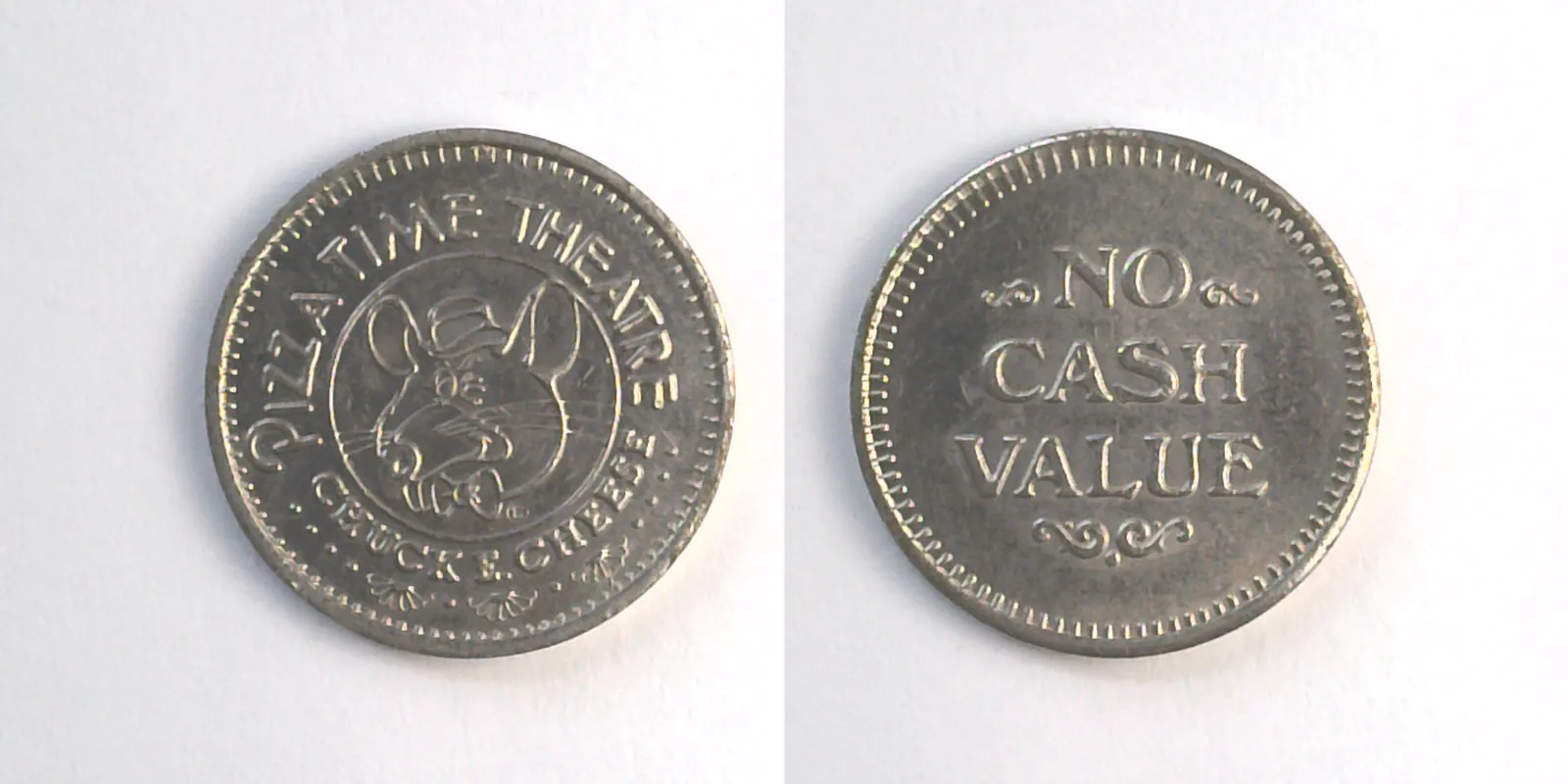
Consider the most pointed example in the catalog: a token that states its own terms in plain English on its face.
Cold storage, properly understood
Crypto's defense against the rug pull is cold storage, moving your tokens offline into a hardware wallet, a device that can be lost, bricked, or forgotten along with its seed phrase. Our cold storage is a mason jar on a shelf. It cannot be hacked. It has no firmware. Its recovery phrase is "look in the jar."
The catalog tracks 899 tokens currently in this form of cold storage across 171 collectors, representing $365,149 in lifetime sales, and the lifetime rug-pull rate stands at zero.
The verdict
You cannot rug-pull an object. The safest token is the one already in the jar. For more on safely sourcing and holding the real thing, read sourcing tokens, or return to the field guide to tokens.
In brass we trust.